Stop Occasional Pests from Turning Your Home into Their Seasonal Home
Trusted New England Home Protection Since 1984
As New England homeowners, you know the seasons bring more than changing leaves and spring blooms. They also bring seasonal invaders—those occasional pests that primarily live outdoors but sneak into your home at predictable times of year. In Massachusetts and New Hampshire, early spring snowmelt, fall cooling trends, and our region’s charming older homes create perfect conditions for these uninvited guests.
At Colonial Pest Control, we’ve protected upper-middle-class single-family homes across MA and NH from these pests for over 40 years. We understand how unsettling it feels to find clusters of ladybugs on windowsills, boxelder bugs in your living room, or millipedes and silverfish in the basement after a rain. These aren’t one-off problems—they’re seasonal patterns we see every year.
What Are Seasonal (Occasional) Invaders?
Seasonal invaders (also called occasional invaders) are pests that don’t typically nest or reproduce inside your home long-term. They enter seeking warmth, shelter, or moisture when outdoor conditions change.
Common culprits in Massachusetts and New Hampshire homes include:
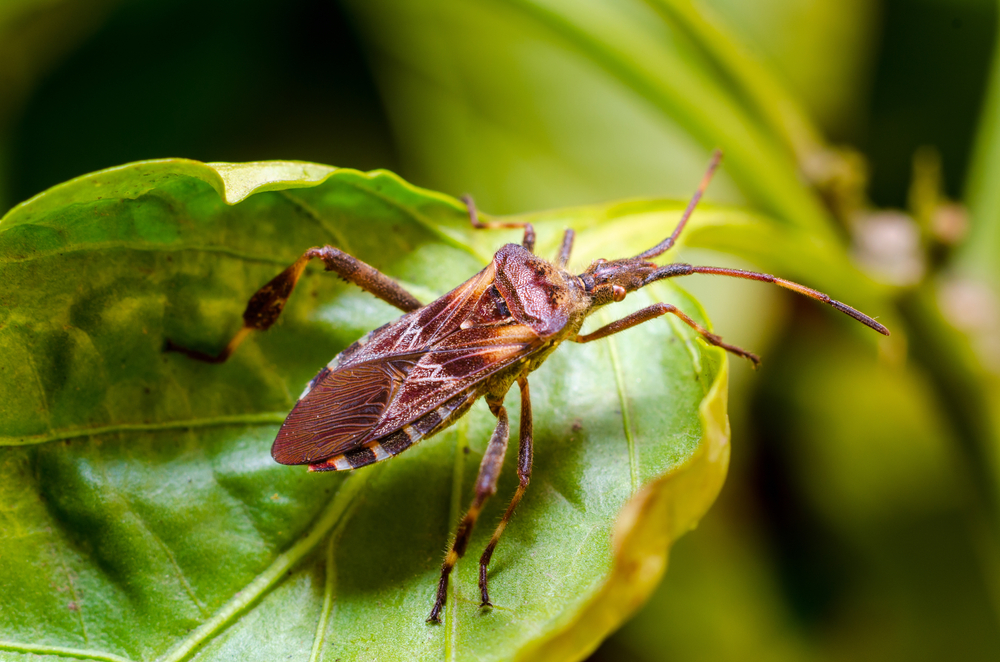
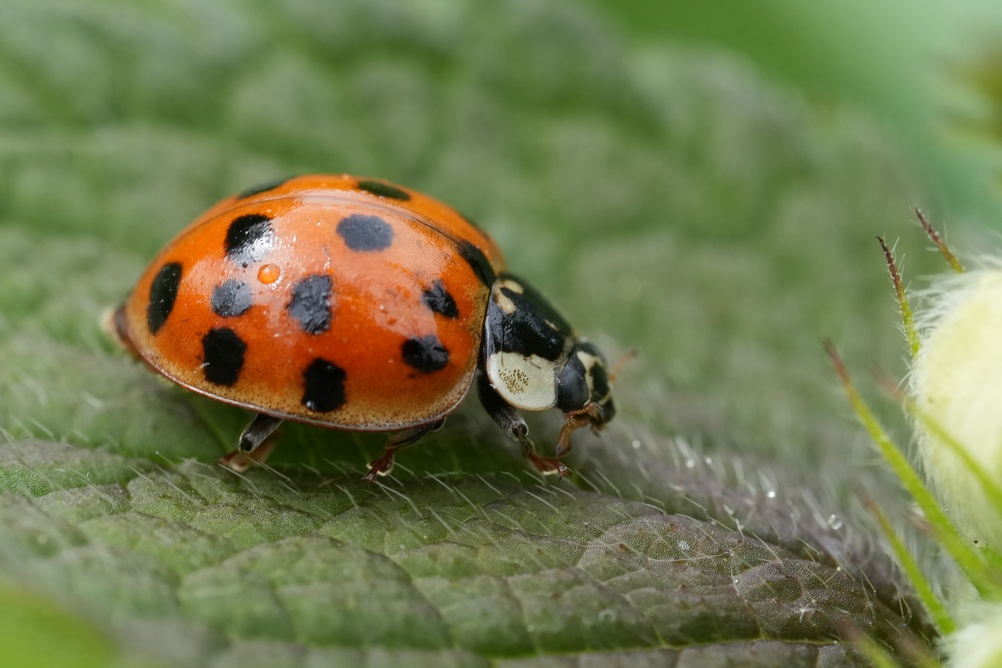
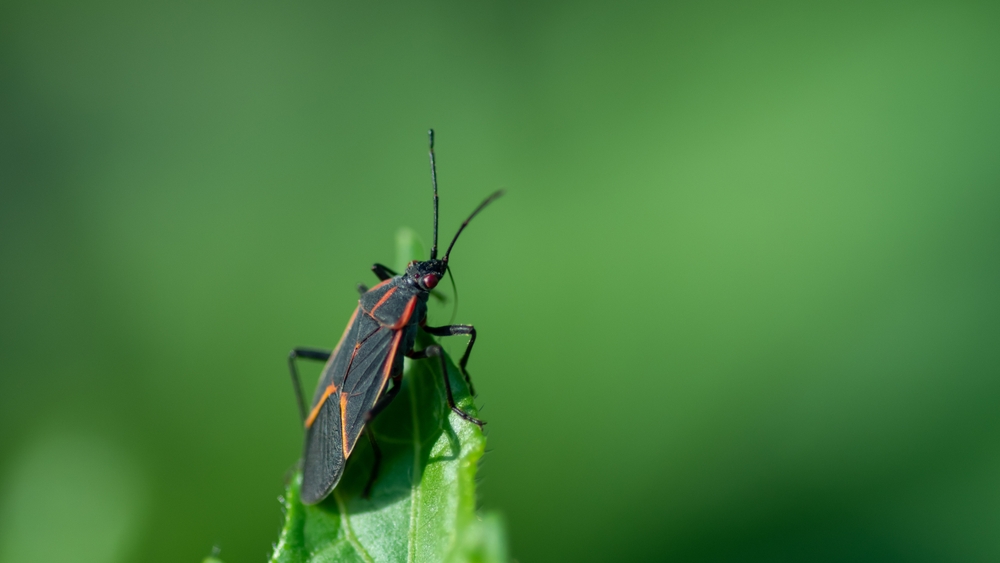
- Multicolored Asian lady beetles (ladybugs) and boxelder bugs — congregate on sunny exterior walls in late summer/fall and move indoors to overwinter in wall voids and attics.
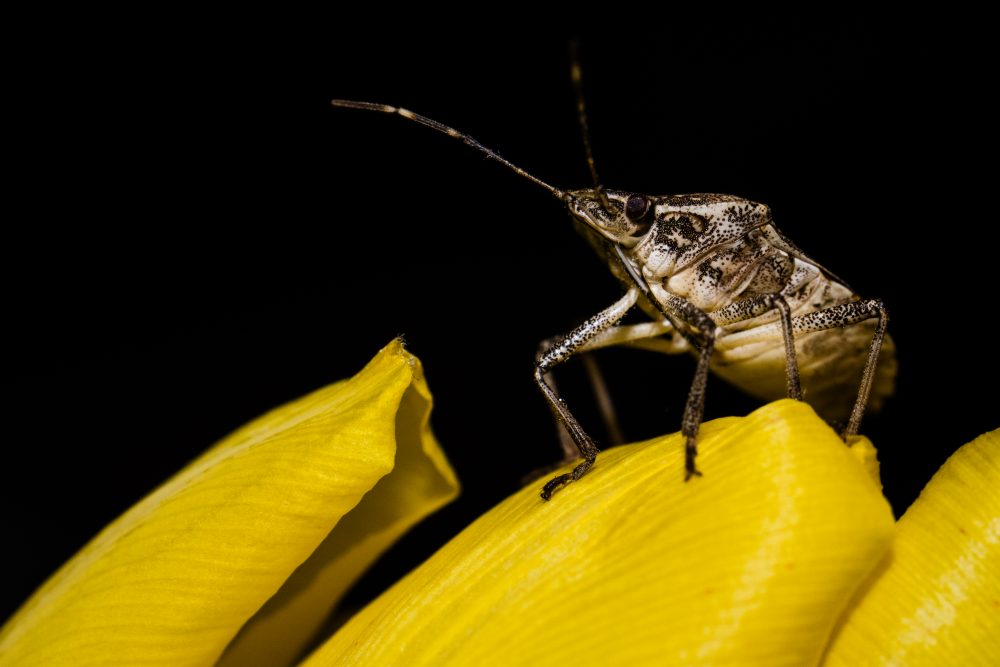
- Brown marmorated stink bugs — enter through tiny cracks in fall; become active on warm winter days and try to exit in spring. Squashing them releases a strong odor.
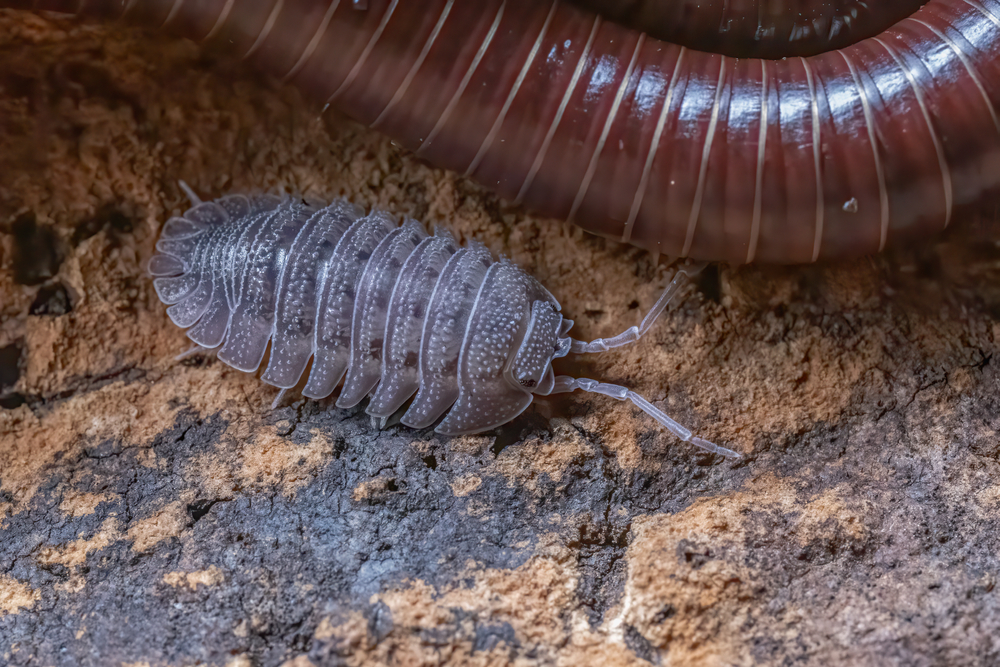
- Millipedes, sowbugs, and pillbugs — surge indoors in spring and after heavy rains or snowmelt when they seek drier ground.
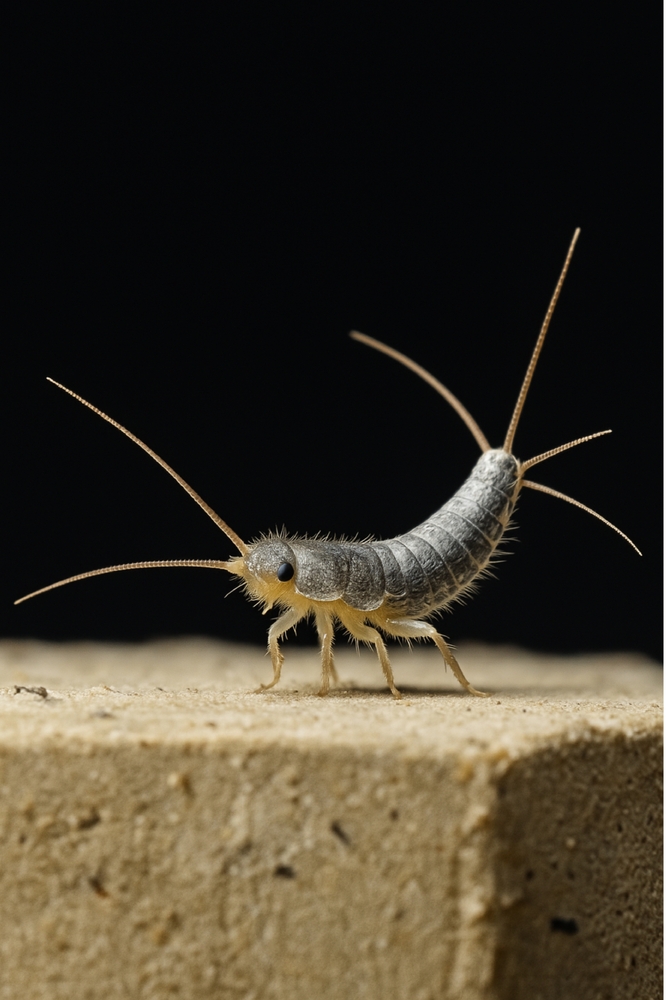
- Silverfish and house centipedes — thrive in moist basements and bathrooms year-round but become more noticeable with spring dampness.
- Crickets, earwigs, and springtails — often appear after rain or during seasonal transitions.
These pests exploit small gaps around foundations, doors, windows, utility penetrations, and overgrown vegetation touching your home—common in New England properties.
Why They Target Homes in MA & NH Right Now
Your home offers exactly what they need: stable temperatures, moisture (especially in basements and crawl spaces during spring thaw), and countless entry points in older or well-loved homes. Late fall triggers mass entry for overwintering. Early spring (March–May) brings emergence as temperatures rise and melting snow creates damp conditions that drive moisture-loving invaders inside. Summer rains can trigger another wave of millipedes and crickets.
Left unchecked, what starts as a few visible pests can lead to recurring seasonal frustration year after year.