Expert, responsible solutions from Colonial Pest Control – trusted by New England homeowners since 1984
Understanding Rodent Problems in Your MA or NH Home
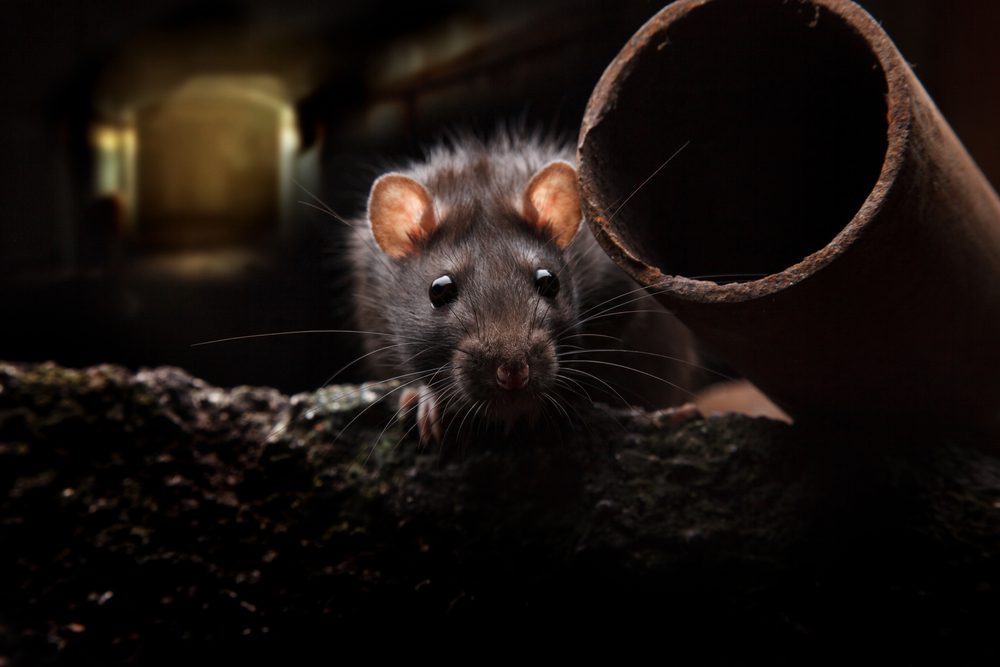
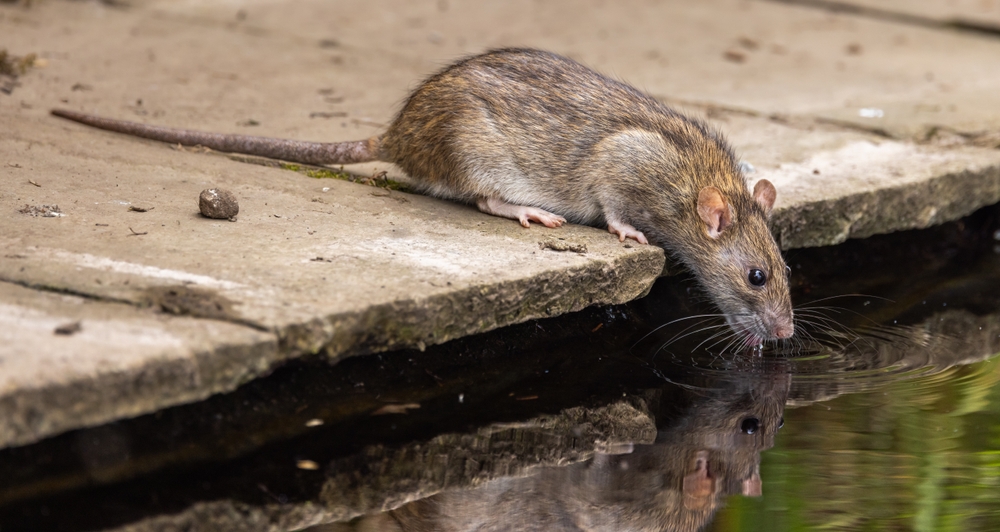
The importance of Rodent control can’t be understated. Rodents rank among the most persistent and damaging pests that affect single-family homes across Massachusetts and New Hampshire. These highly adaptable mammals enter properties seeking warmth, food, and shelter—especially during the cooler months when outdoor resources dwindle. While many rodents like squirrels, chipmunks, or voles primarily affect yards and outbuildings, mice and rats readily invade living spaces, creating serious health and property risks.
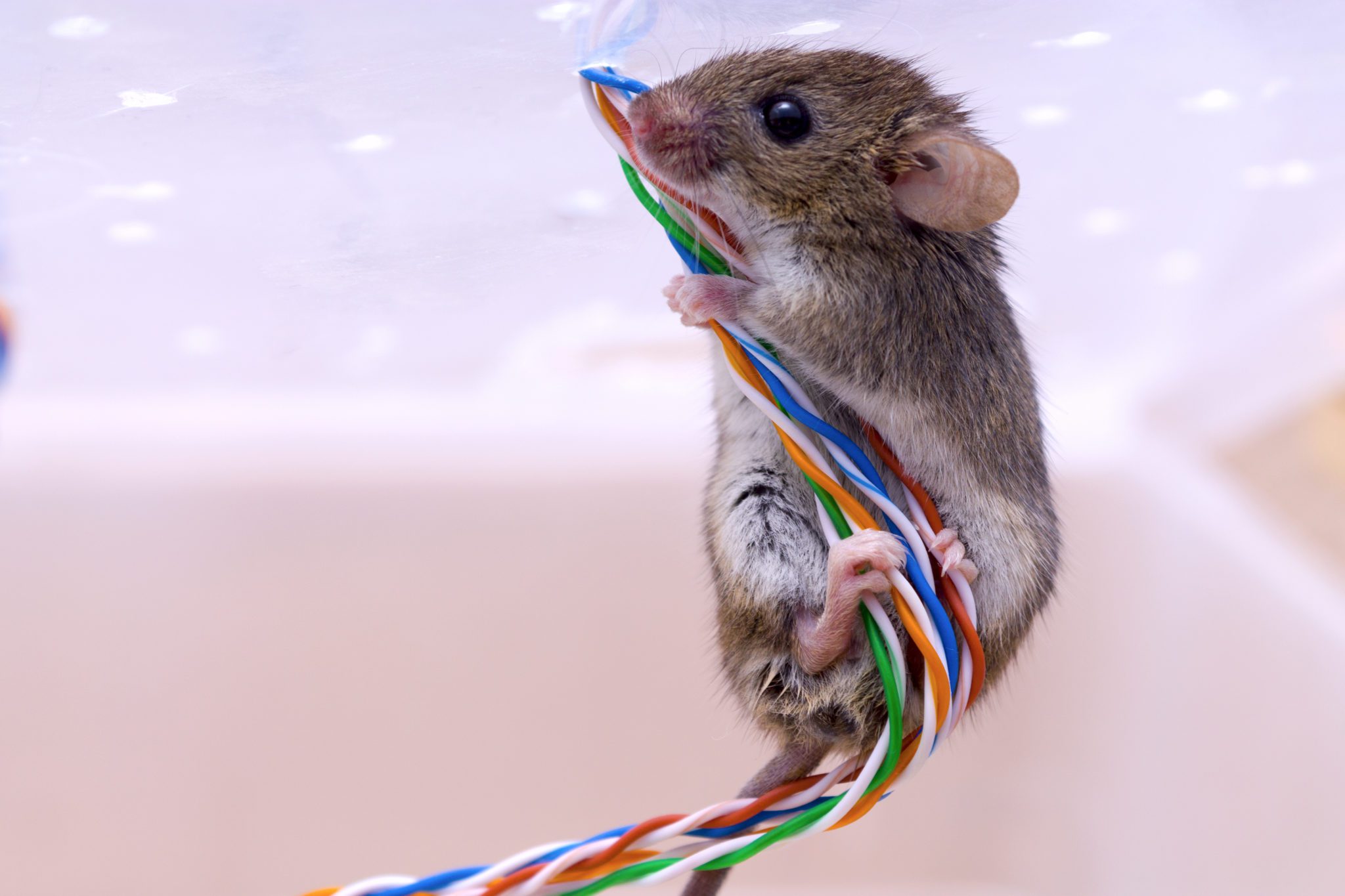
Rodents are remarkably successful because they are nocturnal, excellent at hiding, and reproduce at extraordinary rates. A single pair of mice or rats can quickly multiply into dozens or hundreds if left unchecked. They contaminate far more food than they consume, gnaw on wood, insulation, and electrical wiring (contributing to an estimated 80% of fires of unknown origin in some studies), and can spread or trigger numerous health issues including bacterial infections, viral diseases, allergies, and asthma.
Common signs that rodents have moved in include:
- Fresh droppings along baseboards, under sinks, or in cabinets (small and pointed for mice; larger and capsule-shaped for rats)
- Gnaw marks on food packaging, wood trim, wires, or pipes
- Scratching, squeaking, or scampering sounds inside walls, ceilings, or attics—particularly at night
- Nests constructed from shredded paper, fabric, insulation, or pet hair in hidden, undisturbed areas
- Greasy rub marks along travel routes and a lingering ammonia-like or musky odor
- Pets suddenly obsessing over specific cabinets, appliances, or wall voids
DIY methods rarely deliver lasting results because they typically address only part of the problem. Without professional inspection, exclusion, and a complete clean-out, rodents return quickly. Colonial Pest Control brings over 40 years of local expertise to every job. Our technicians—state-certified and supported by on-staff entomologists—follow Integrated Pest Management (IPM) principles: thorough inspection, robust exclusion, targeted elimination, and homeowner education. This responsible approach solves the immediate issue while preventing future invasions, all while prioritizing the safety of your family, pets, and the local environment.
Specialized Mouse Control – Education and Clear Solutions
Mice Control – Protecting What Matters Most
Mice are among the most common and troublesome pests that invade homes across Massachusetts and New Hampshire. These small rodents contaminate food and surfaces with droppings and urine, can spread diseases such as salmonellosis, and cause serious property damage by chewing through electrical wiring, insulation, and building materials—creating both fire hazards and expensive repairs. Because a single pair of mice can produce dozens of offspring in just a few months and can squeeze through openings as small as a quarter of an inch, even a minor problem can quickly turn into a widespread infestation. Professional control is the safest and most effective way to eliminate mice while preventing them from returning.
Common Mouse Species We Encounter
Accurate identification is important because each species has slightly different habits and risks.
House Mouse (Mus musculus)
The house mouse is the primary indoor pest in most homes. It is small (roughly 2.5–4 inches long with a tail of similar length), has a pointed snout, large ears, and is typically grayish-brown with a lighter belly. House mice are highly adaptable, nest inside walls, attics, and voids, and breed year-round with remarkable speed.
White-Footed Mouse (Peromyscus leucopus)
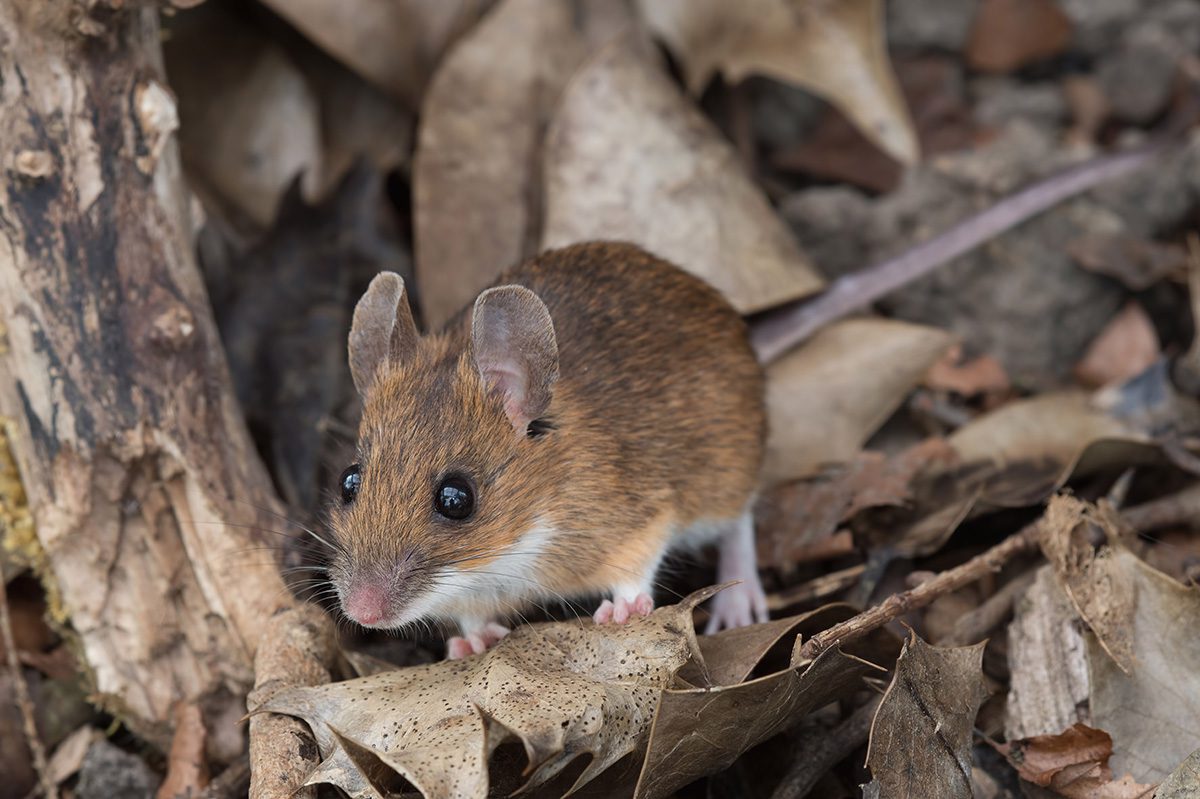
Slightly larger than the house mouse, the white-footed mouse features prominent ears and eyes, brownish fur on the back, and bright white feet and underbelly. While more common in wooded or rural settings, they frequently enter homes—especially in the fall. They are also important hosts for ticks that can carry Lyme disease.
Deer Mouse (Peromyscus maniculatus)
Very similar in appearance to the white-footed mouse, the deer mouse often has a more sharply bicolored tail (dark on top, white underneath). It tends to inhabit more open or rural areas but can invade structures. In some parts of the country it is associated with hantavirus, though human cases remain extremely rare in our region.
Our Control Philosophy: Exclusion, Elimination & Education
At Colonial Pest Control we use a thoughtful, layered approach built on three pillars that work together for lasting results while protecting both the people and wildlife we care about.
Exclusion
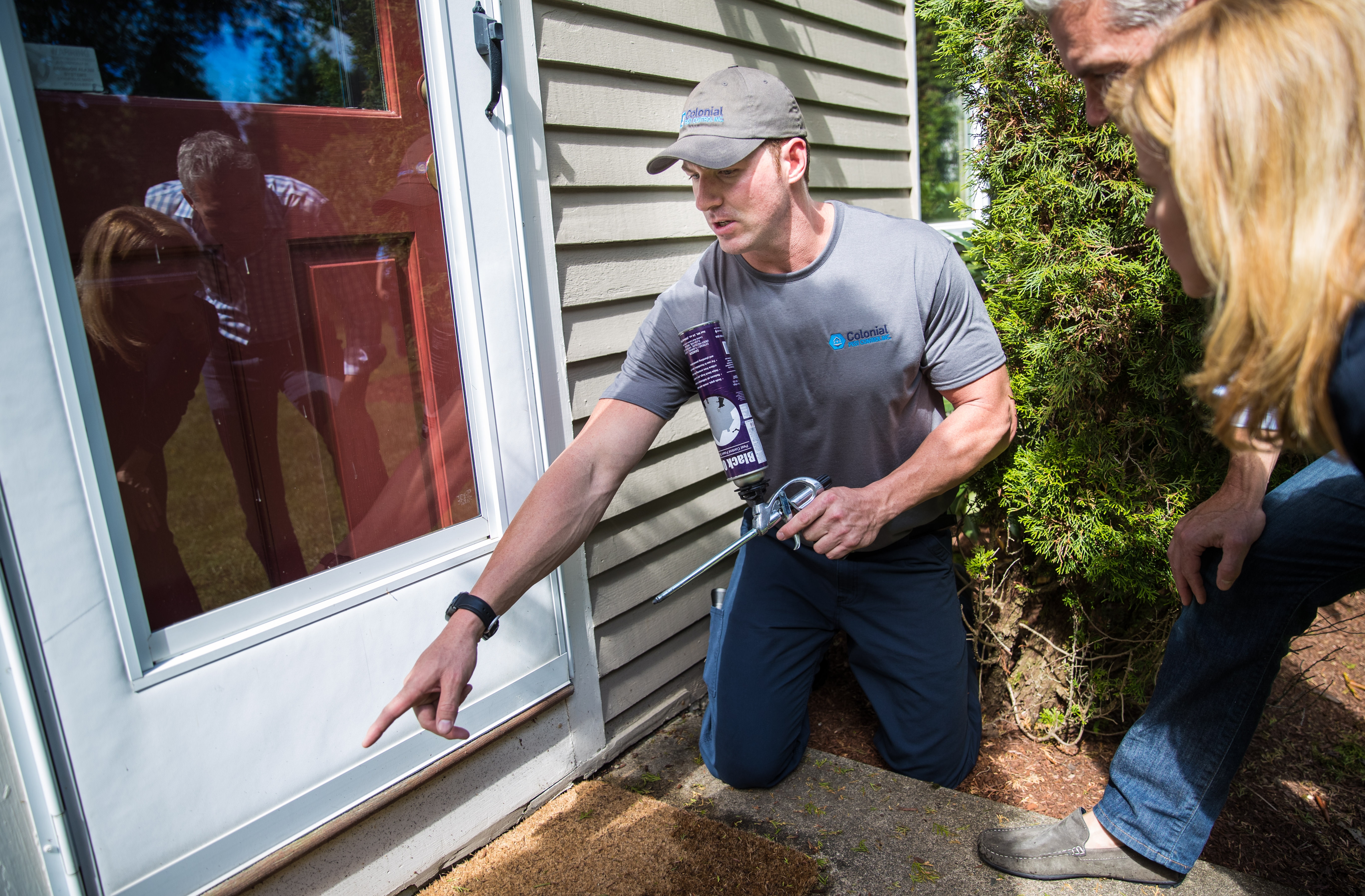
Prevention starts by keeping mice from entering in the first place. We focus on the outer envelope of the home—sealing the points where mice first try to get in from the outside. Our technicians perform minor exclusion work as part of every mouse service and as a core component of our preventative maintenance program.
We try to keep the outside outside. There’s life inside the house we love and want to protect, and there’s life outside the house we love and want to protect. Colonial serves as the necessary barrier between the two. By sealing gaps, cracks, utility penetrations, and other entry points on manageable structures such as single- and two-family homes, we dramatically reduce the chance of reinfestation.
Elimination
When mice are already inside, we eliminate them safely and effectively. Our primary tools are rodenticide baits and, in some cases, tracking powder applied inside the structure. We also use mechanical options such as snap traps, glue boards, and multiple-catch traps when appropriate.
All baits are placed inside secure, tamper-resistant bait stations that are either out of reach or physically secured so that children, pets, and non-target wildlife cannot access them. By focusing treatments inside the structure and avoiding reliance on exterior baits, we protect birds, squirrels, and other animals from both accidental and secondary poisoning. Combining strong exclusion with targeted inside elimination further safeguards the environment outside your home.
Education
Long-term success depends on partnership and knowledge. We work closely with homeowners to set realistic expectations, explain what we’re doing and why, and identify conducive conditions (such as clutter, food sources, or moisture issues) that can be corrected. This collaborative approach builds lasting relationships through ongoing preventative maintenance.
We also continuously educate ourselves on the latest developments in rodent biology, control technology, methods, industry trends, and all applicable laws and regulations so we can deliver the most responsible and up-to-date service possible.
Protect Your Home with Confidence
By combining thorough exclusion, precise inside elimination, and ongoing education, Colonial Pest Control delivers mouse solutions that are effective, environmentally responsible, and built to last. Whether you’re dealing with a current infestation or want to prevent one before it starts, our team is ready to help.
Contact Colonial Pest Control today for a thorough inspection and customized mouse control plan. Let us be the barrier that keeps the outside where it belongs—so your home stays safe, clean, and comfortable for the people and pets you love.