Protecting your home starts with home inspections and knowing exactly what’s happening behind the walls and under the floors. At Colonial Pest Control, our licensed and experienced technicians provide comprehensive wood destroying insect (WDI) inspections using the official NPMA-33 Wood Destroying Insect Inspection Report — the standardized form accepted by lenders, real estate professionals, and for FHA, VA, and many conventional transactions across MA and NH.
Whether you’re buying your dream home, selling your current property, refinancing, or simply want expert reassurance about termites, carpenter ants, carpenter bees, or wood-boring beetles, our detailed inspections give you clear, actionable information and peace of mind.
Why Professional WDI Home Inspections Matters in Massachusetts and New Hampshire
Wood-destroying insects can remain hidden for years, quietly damaging structural wood while you enjoy your home. In New England’s climate — with its freeze-thaw cycles, moisture, and older housing stock — these pests find plenty of opportunities.
A professional NPMA-33 WDI inspection is often required or strongly recommended during real estate transactions. It documents visible evidence (or the absence of evidence) so buyers, sellers, and lenders can make informed decisions. Unlike a standard home inspection, a dedicated WDI inspection by Colonial’s trained team focuses specifically on termites and other wood-destroying insects with the precision and documentation lenders expect.
What Is an NPMA-33 Wood Destroying Insect Inspection?
The NPMA-33 is the nationally recognized form used by certified pest control professionals to report findings from a careful visual inspection of readily accessible areas of your home. Our inspectors examine basements, crawlspaces, attics, foundations, sill plates, joists, and other key areas for:
- Live insects or insect parts
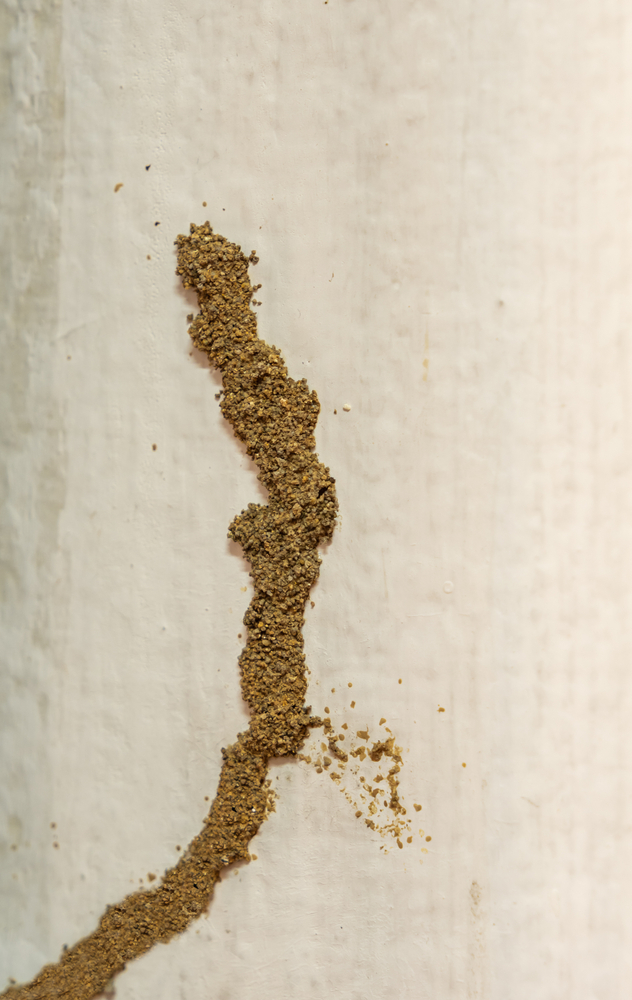
- Mud tubes, frass (insect droppings), exit holes, or staining
- Visible damage to structural wood
- Conducive conditions that invite future problems
The report includes clear sections for inspection findings, any obstructions or inaccessible areas noted, and professional recommendations. It covers the primary wood-destroying insects of concern in our region: subterranean termites, carpenter ants, carpenter bees, and reinfesting wood-boring beetles (including powder post beetles).
Important Note: This is a visual inspection report — not a structural engineering evaluation or a guarantee against future or hidden infestations. Our team explains every finding in plain language so you understand exactly what the report means for your home.
What Our Thorough WDI Inspections Include
Colonial Pest Control technicians bring decades of local expertise to every inspection. We:
- Conduct a systematic, top-to-bottom examination tailored to New England construction styles
- Document all findings clearly on the official NPMA-33 form with notes and diagrams where helpful
- Identify conducive conditions (moisture issues, wood-soil contact, debris, poor drainage, etc.)
- Provide honest, straightforward explanations and next-step recommendations
- Work seamlessly with real estate agents, lenders, and home inspectors
We also offer general pest inspections for pre-purchase peace of mind and can combine services when needed.
Understanding Your NPMA-33 Report
Your completed report will clearly indicate whether visible evidence of wood-destroying insects was observed. If activity or damage is noted, we detail the type of insect, location, and any recommendations for corrective action.
If no evidence is found, you receive documentation that supports a smooth closing. Either way, you’ll have a professional record you can trust.
Important Limitations Every Homeowner Should Know
We believe in full transparency. The NPMA-33 report is based on a visual inspection of readily accessible areas on the date of service. It does not:
- Guarantee the absence of wood-destroying insects in concealed or inaccessible areas
- Serve as a warranty against future infestations
- Replace a structural damage assessment
- Cover mold, mildew, or non-insect wood-destroying organisms
Obstructions such as insulation, finished walls, furniture, or limited crawlspace clearance may prevent full access — these are noted on the report. Our team always explains what was inspected and what could not be reached so there are no surprises.
Prevention: The Smartest Long-Term Strategy
The best defense against wood-destroying insects is prevention. Homeowners can reduce risk by correcting conducive conditions such as:
- Wood-to-soil contact around the foundation
- Faulty grading or poor drainage that allows moisture to accumulate
- Firewood stacked against the house
- Tree branches or vegetation touching the structure
- Wood debris or excessive mulch in crawlspaces
- Plumbing or roof leaks that create damp wood
Pest preventative maintenance is the best long-term solution. When evidence of an active problem is found, the most effective approach is to start with a thorough clean-out or immediate elimination of the problem pest, then enroll in one of Colonial Pest Control’s customized protection programs. This combination — expert treatment plus ongoing preventative care — is the responsible way to safeguard your home and family with a company that has been trusted by New England homeowners since 1984.