Ants marching across your kitchen counter or showing up in the basement? You’re not alone. Homes across central Massachusetts and southern New Hampshire deal with these persistent visitors every year. At Colonial Pest Control, we’ve been helping local families since 1984 as a founder-owned company that treats every house like our own. We use targeted, low-impact methods that solve the real problem and keep ants from coming back.
Know Your Pest: Common Ants in Your Home
Carpenter Ants
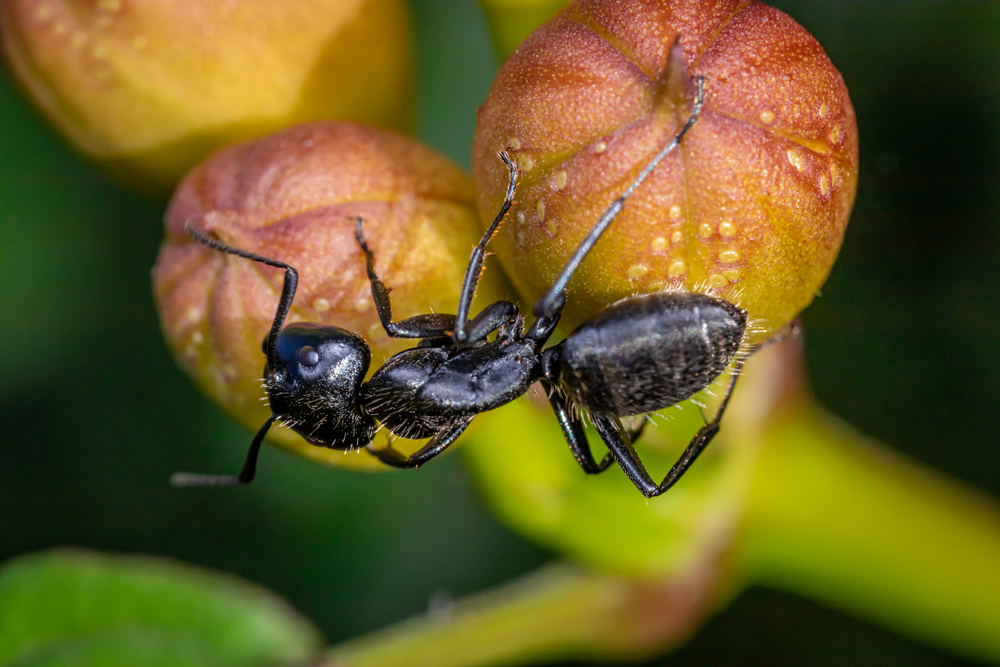
The black carpenter ant is the number-one wood-destroying pest in New England. These large ants (¼ to ½ inch or bigger) don’t eat wood the way termites do — they excavate smooth galleries in moist, decaying wood to build nests. You’ll often spot piles of sawdust-like frass near baseboards, window sills, or where an addition meets the house. A faint rustling or clicking sound in walls can be another giveaway, along with winged swarmers appearing in spring.
Moisture is almost always the root cause. Leaky roofs, poor ventilation, or water from spring thaw and summer humidity softens wood and gives them the perfect spot to move in. In older New England homes, attached decks, crawlspaces, and attics are common hotspots. Left alone, they can weaken structural wood over time.
Pavement Ants
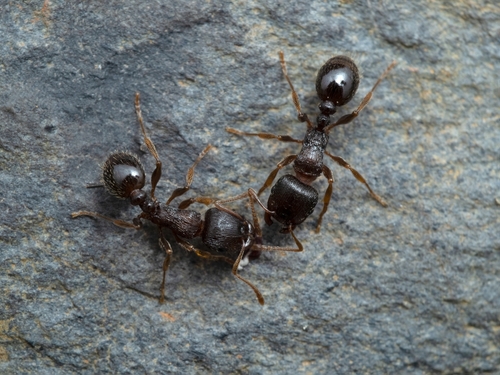
These small, dark brown to black ants (about ⅛ inch) are everywhere in our area — nesting in soil under driveways, sidewalks, patios, and along foundation cracks. They travel in steady trails into kitchens and pantries looking for sweets, proteins, and crumbs. While they don’t damage wood like carpenter ants, they quickly become a nuisance and can contaminate food.
New England’s freeze-thaw cycles and damp summers keep them active and constantly testing entry points around foundations and slabs. They’re especially common in suburban neighborhoods with lots of paved surfaces and mulch beds.
Odorous House Ants
Tiny (⅛ inch or smaller) and dark, these ants earn their name from the rotten-coconut smell they release when crushed. They form huge colonies with multiple queens and can “bud” into new nests if stressed — which makes them especially stubborn. They love moist areas near plumbing, in wall voids, under sinks, or in humid basements and crawlspaces.
Drawn to sugary spills and kitchen messes, they often invade during rainy spells or when outdoor food sources dry up. In Massachusetts and New Hampshire homes, they exploit the same moisture issues that attract carpenter ants, but they’re harder to wipe out because of their multi-nest colonies.
Other Ants You Might See
Homeowners across the region also run into little black ants, thief ants, and a few other small species that sneak in through tiny cracks or hitchhike on plants. They all share the same goal: finding food, water, and shelter inside your house. The good news is our approach works across these common invaders too.