The sight of a cockroach in your home is instantly unsettling. In most cases, one sighting signals a larger hidden infestation—especially with the fast-breeding German cockroach. You deserve a clean, safe living space, and Colonial Pest Control has delivered reliable cockroach solutions to New England homeowners since 1984. We use systematic, science-based methods focused on non-repellent materials, professional baits, and Insect Growth Regulators (IGRs). These approaches let the roaches carry and spread the active ingredients through their natural behaviors while we minimize disruption to your family’s daily life.
Why German Cockroaches Require Professional Attention in MA & NH Homes
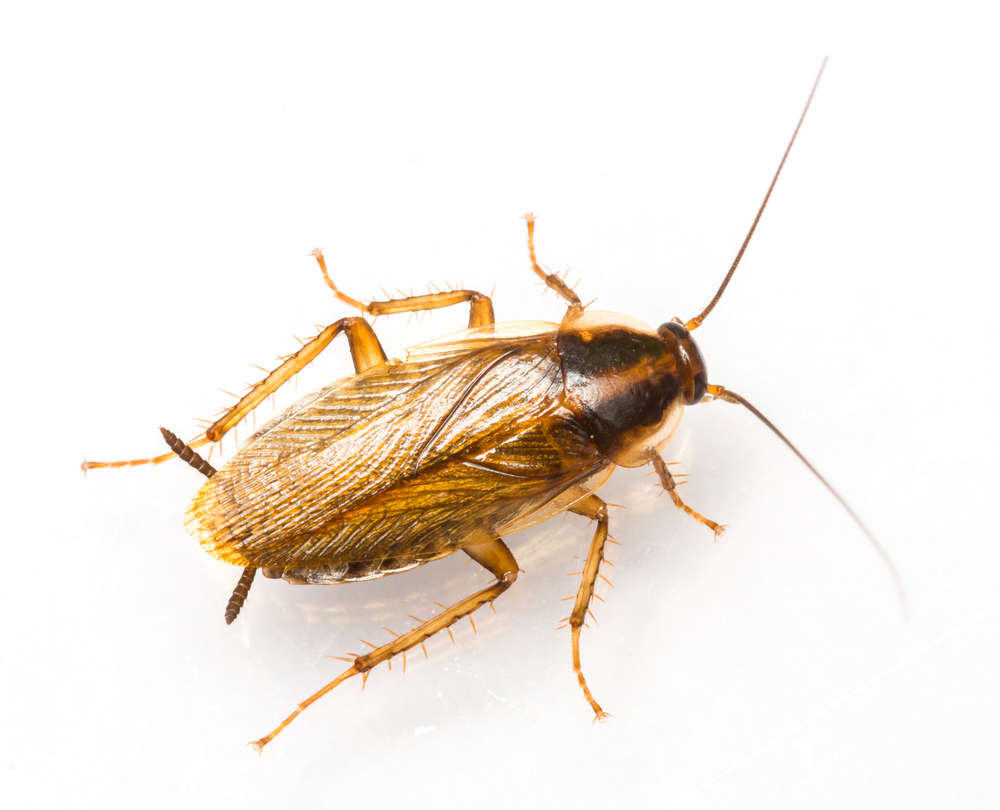
German cockroaches, Blattella germanica, are the most common and problematic indoor species across Massachusetts and New Hampshire. Adults are small (roughly ½–⅝ inch), light brown, and marked by two dark parallel stripes on the shield behind the head. They thrive in warm, humid kitchens, bathrooms, and voids near food and water sources.
These roaches reproduce at an alarming rate. Females produce egg cases containing 30–40 eggs, and new generations can emerge every 30–60 days under favorable conditions. A small introduction can quickly become hundreds or thousands. They contaminate surfaces, utensils, and food with bacteria and allergens while hiding in cracks, behind appliances, and inside cabinets. DIY sprays and over-the-counter products often fail or make the problem worse by repelling roaches into new areas.
Professional intervention with the right tools and strategy is the only reliable path to complete elimination.
Pennsylvania Wood Roach: Often Mistaken for a German Cockroach Infestation
Not every roach found indoors indicates a German cockroach problem. The Pennsylvania wood roach, Parcoblatta pennsylvanica, is a common outdoor species in wooded and suburban areas of MA and NH that occasionally enters homes.
Key differences that matter:
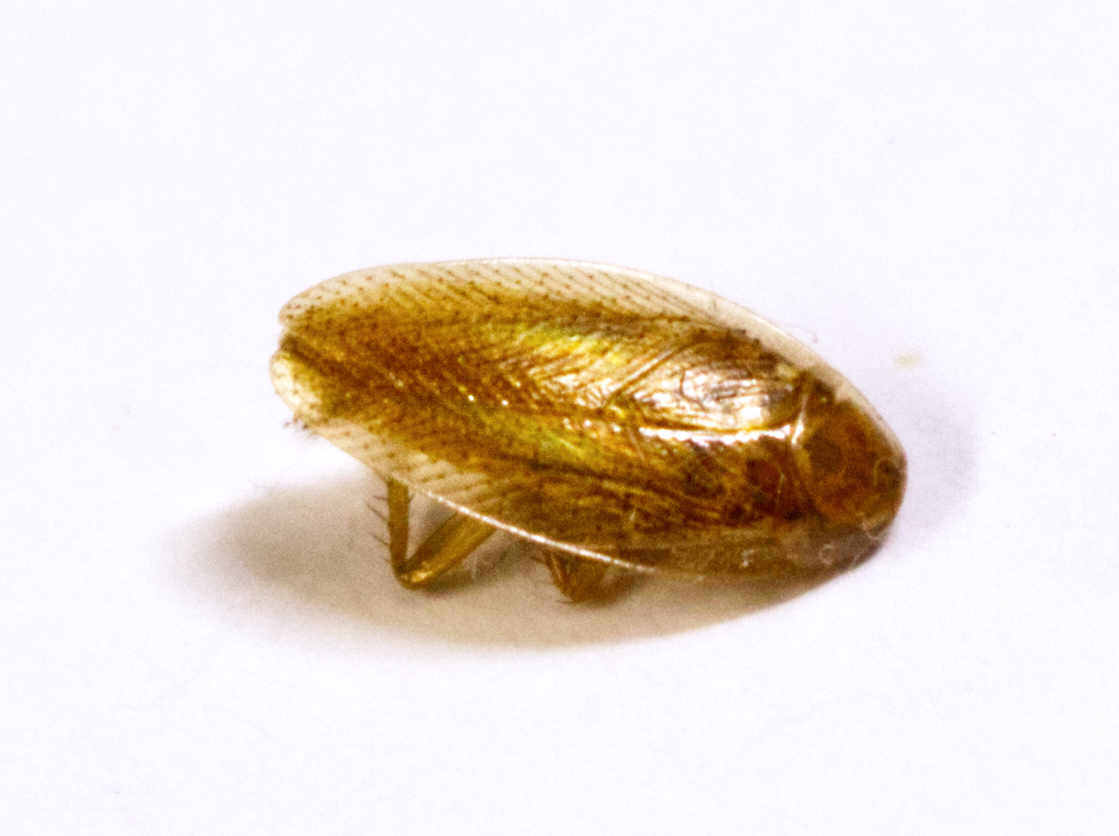
- Appearance — Larger than German cockroaches (males reach about 1 inch). Chestnut brown with wings; males fly well and are often attracted to lights at night. No dark racing stripes.
- Habits — Primarily outdoor dwellers that live under bark, in woodpiles, and leaf litter. They feed on decaying organic matter outside and do not establish breeding populations or large colonies indoors. Sightings are usually occasional invaders (often single males), not signs of an active indoor infestation.
- Control approach — Completely different from German cockroach treatment. Focus is on exclusion, reducing outdoor harborage, and targeted perimeter work rather than intensive indoor baiting programs.
Our thorough inspection correctly identifies the species so we apply the most effective and least invasive solution. Misidentifying a wood roach as German can lead to unnecessary treatments—we avoid that entirely.
Other Common Cockroaches We Treat
We professionally manage all species that affect New England homes:
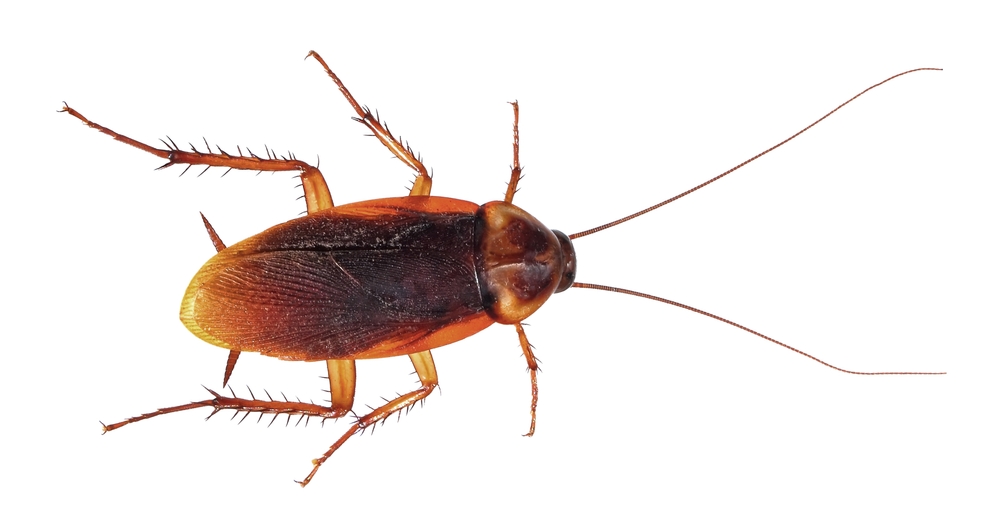
- American cockroach — Large (up to 2 inches), reddish-brown “water bug” type that often migrates from sewers, drains, and basements. Primarily a perimeter invader but capable of breeding indoors in damp conditions.
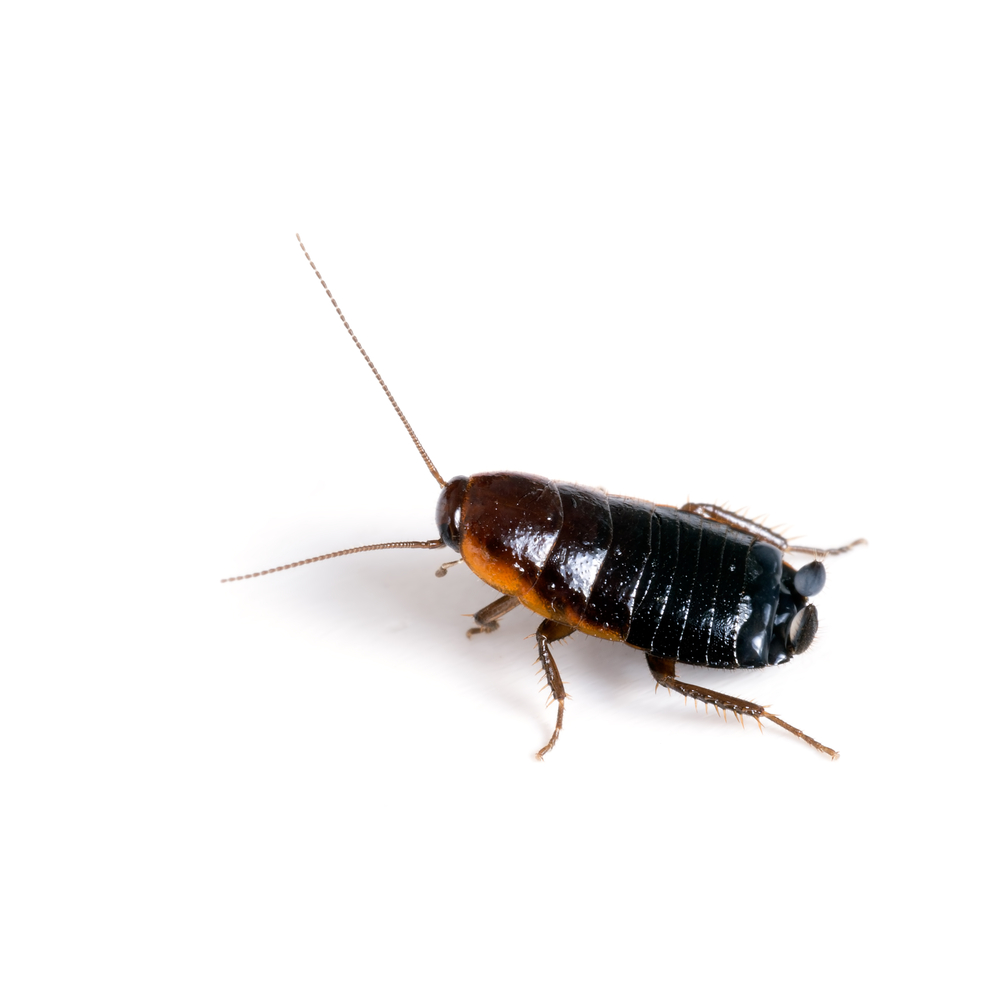
- Oriental cockroach — Shiny dark brown to black. Prefers cool, damp basements, floor drains, and crawlspaces. Slower-moving with a distinct musty odor and higher pathogen risk.
- Others, including brown-banded cockroaches, receive the same expert identification and tailored treatment.