Expert Carpenter Ants Control in Massachusetts & New Hampshire
Large black ants around your Massachusetts or New Hampshire home can signal a carpenter ant infestation—one of the most common and potentially damaging pests in New England. These ants don’t eat wood like termites, but they excavate smooth galleries in moist or decaying wood to build nests, which can weaken support beams, door and window frames, and other structural elements over time.
At Colonial Pest Control, we’ve protected upper-middle-class single-family homeowners across MA and NH since 1984 with reliable, professional carpenter ant control. Our goal is complete elimination during the initial service, followed by long-term protection through our preventative maintenance programs—the smartest way to safeguard your home and family.
Signs Your Massachusetts or New Hampshire Property Has Carpenter Ants
Early detection prevents costly damage. Watch for these clear indicators:
Rustling or crinkling sounds in walls, ceilings, or wooden beams — often described as Rice Krispies popping or cellophane crinkling as ants tunnel through wood.
Piles of sawdust or wood shavings (frass) near windowsills, door frames, baseboards, or vents.
Hollow-sounding wood when you tap on frames or beams (compare to unaffected areas nearby).
Wood that gives way easily to a knife or probe, revealing internal tunneling and weakening.
Shed wings around windows, vents, or floors during spring and summer (typically May–August) — a sign of swarming reproductives.
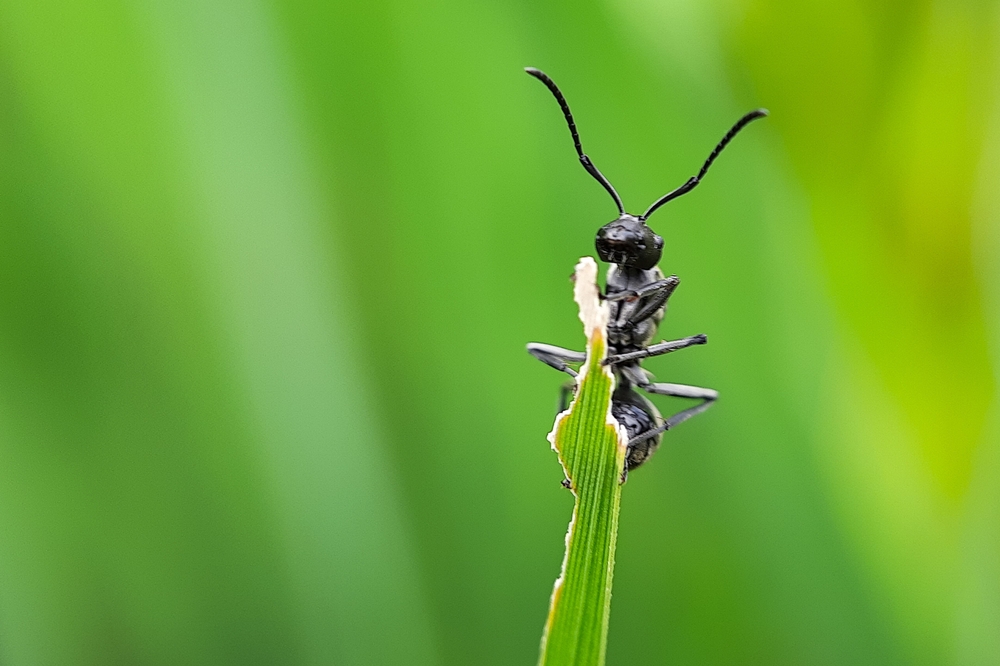
Sightings of large ants ranging from ¼ inch to over ⅝ inch, often varying in size within the same colony, with three distinct body segments.
Note: Winged carpenter ants are sometimes mistaken for termites. Carpenter ants have a pinched waist and wings of unequal length that extend only slightly past the body.
If you notice any of these signs, professional carpenter ant control in Massachusetts or New Hampshire is the fastest, most effective solution.
How Carpenter Ants Affect Your Home
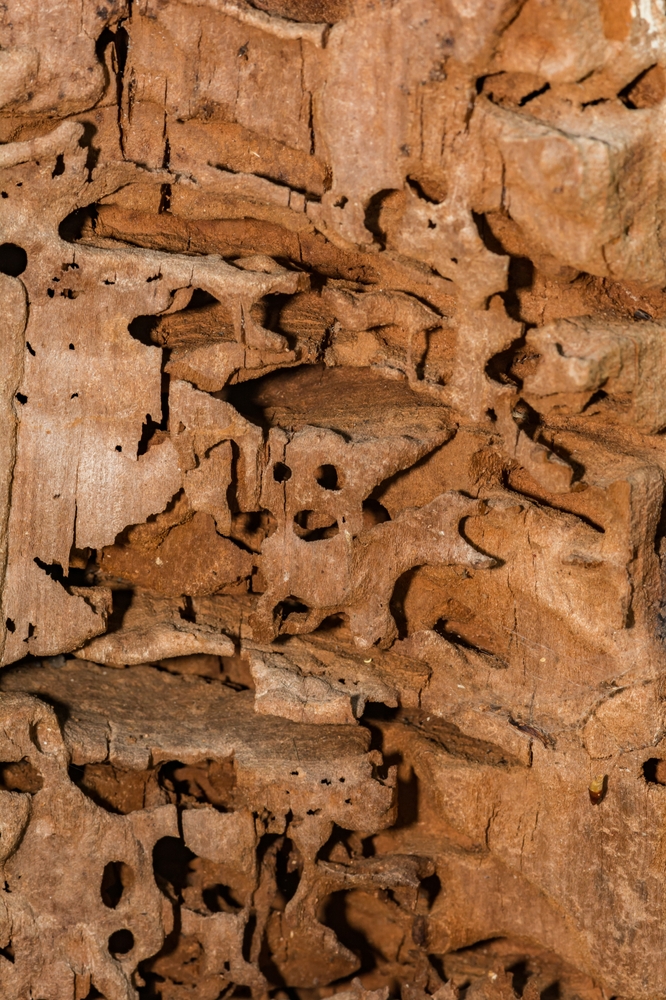
Carpenter ants target damp or decaying wood — often near leaky roofs, attached decks, additions, or under insulation in attics and basements. Their excavation creates smooth, sandpaper-like galleries that compromise structural integrity. While they don’t consume wood like termites, unchecked activity can lead to significant, hard-to-repair damage. Their presence frequently signals or worsens existing moisture problems.
Homeowners who act quickly with professional help avoid expensive structural repairs and protect their investment.
Our Proven Carpenter Ant Control Process in MA & NH
We don’t just spray visible ants — we locate and eliminate the colony at its source. Here’s what you can expect from Colonial Pest Control:
Personalized Consultation — We discuss your concerns and the scope of the issue.
Thorough Inspection — Our technicians identify live ants, entry points, nesting sites, and conducive conditions such as moisture problems.
Tailored Treatment Plan — A custom strategy focused on complete elimination and preventing return.
Expert Treatment — We use advanced, low-impact methods, including our Microinjector, to deliver ultra-fine insecticide fog deep into wall voids and crevices for thorough colony flush-out. Treatments are noninvasive and responsible.
We utilize targeted baits, non-repellent sprays, and lasting dust treatments for a comprehensive approach to elimination.
Our initial service delivers the critical clean-out and immediate elimination you need. We then recommend our preventative maintenance programs for lasting protection.
Why Massachusetts & New Hampshire Homeowners Trust Colonial Pest Control
Local expertise — We understand the unique pest pressures and building styles of New England homes.
Trusted since 1984 — Decades of reliable service protecting families across MA and NH.
Advanced techniques — Experience plus specialized tools like the Microinjector to find hidden nests others miss.
100% satisfaction guarantee — Premium service and customer care you can count on.
Licensed professionals — State-licensed technicians trained in safe, effective Integrated Pest Management (IPM) practices.
Root-cause focus — We address moisture issues and entry points, not just symptoms.
The Best Long-Term Protection: Our Preventative Maintenance Programs
The most effective way to protect your home and family is through Colonial Pest’s preventative maintenance programs. After the initial clean-out and elimination, ongoing service creates a protective barrier, monitors for new activity, and corrects conducive conditions before problems return. This responsible, proactive approach is the gold standard for New England homeowners who want lasting peace of mind.
Request Your Free Quote for Carpenter Ant Control Today
Don’t let carpenter ants compromise your home’s structure or your peace of mind. Colonial Pest Control delivers expert carpenter ant removal and prevention trusted by Massachusetts and New Hampshire families since 1984.
Carpenter ants are the largest ants commonly found here, reaching up to ½ inch long. They are usually solid black or black with reddish-brown accents and have a single waist node with a smooth, rounded back. These ants excavate moist wood to build nests and are a frequent issue in New England homes with attics, decks, and older framing.
Odorous house ants are small (about ⅛ inch), dark brown to black, and release a strong rotten-coconut smell when crushed. Pavement ants are similar in size but show clear grooves on the head and two waist nodes; they often nest in driveway cracks or soil near foundations. Citronella ants (also called yellow ants) are golden-yellow, roughly ¼ inch long, and emit a distinct lemon or citronella odor. All three are common nuisance invaders in MA and NH but rarely damage structures.
Pharaoh ants are tiny (around 1/16 inch), pale yellow to light brown, and prefer warm indoor spots. While less common outdoors in our region, they can establish persistent indoor colonies because they have multiple queens and split easily when disturbed. They forage on sweets and proteins and can quickly become a kitchen problem.
Carpenter ants are the only species on this list that routinely cause structural concern. They tunnel through damp or decaying wood to create smooth galleries, which can weaken support areas over time. The others mainly seek food or temporary shelter and do not excavate building materials.
Effective control requires locating the parent colony and satellite colonies (often in moist wood) and using targeted baits or micro-injection or applying dusts in voids. Correcting moisture sources around the foundation, rooflines, and decks is essential. Repellent sprays used alone can scatter the colony and make the problem worse. Non-repellent sprays, moisture control, and ongoing preventative maintenance will give you the best long-term results.
These ants respond best to carefully placed baits matched to their food preferences. For pharaoh ants, avoid spraying entirely because it causes colonies to split and spread. A professional inspection of kitchens, bathrooms, wall voids, and entry points delivers complete, lasting control in local homes.
Store-bought baits can reduce visible ants temporarily, but hidden nests and species such as carpenter or pharaoh ants usually need professional products and techniques. A proper inspection prevents recurring issues and protects your property investment.
Seal gaps around doors, windows, and utility lines; fix moisture problems near the foundation; store food in airtight containers; and keep counters and floors clean. Trimming plants away from the house and storing firewood off the ground also reduces nesting sites common in suburban MA and NH yards. All of this in conjunction with a professional preventive maintenance service will keep the ants at bay.
Carpenter ants can deliver a noticeable pinch with their mandibles if handled, but they do not sting or inject venom. Odorous house ants, pavement ants, citronella ants, and pharaoh ants rarely bite and are not aggressive toward family members or pets.
Ants can pick up bacteria while foraging and transfer it to food surfaces. Pharaoh ants have been associated with pathogen concerns in medical settings, so keeping them out of kitchens supports good hygiene for children and pets.
Yes. Licensed technicians in Massachusetts and New Hampshire use low-impact, targeted products applied according to strict safety standards. Your provider will explain any simple precautions to take during and after service.
Persistent trails indoors, signs of wood damage, or swarms of winged ants (especially in spring) are clear signals to schedule an inspection. Early professional attention stops small problems from growing and quickly restores comfort in your home.
Customer Reviews
Read stories of impact, share your own experiences, and celebrate the connections that make us stronger.
Have a question or dealing with a pest issue? Fill out the form below and we’ll be in touch soon. There’s no obligation and no pressure, just honest answers from a local team that’s happy to help.