“It all starts here.” The people of Hopkinton know the line. The Boston Marathon has started downtown near the Common since 1924, and long before that the Charles River began its slow, meandering run toward Boston from the same stretch of town. Pest control in Hopkinton sits right at the place where those two things meet: a growing number of people and the land and water around them. The old name for the river, Quinobequin, means “meandering.” The people who live here don’t. Some drive into Boston for work; others stay and build local businesses in tech, finance, and hospitality. Put more residents, older houses, and a lot of natural ground and water together, and pest problems show up. That’s just how it goes. Colonial has been here to help since 1984.
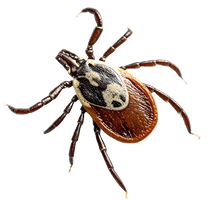
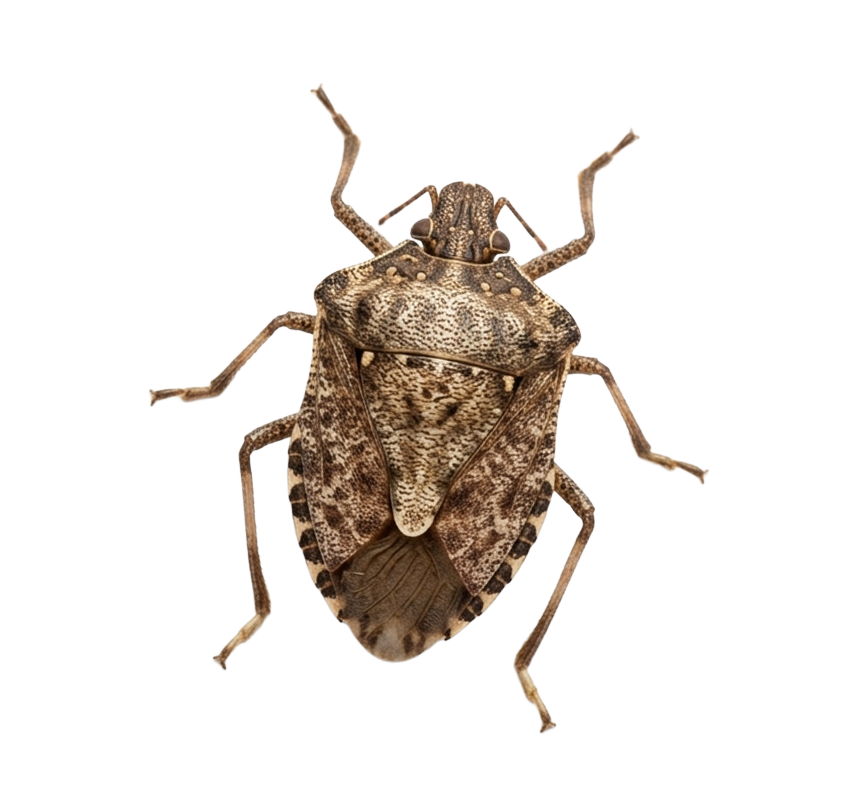
The Charles River starts in Hopkinton, at Echo Lake in the southeast corner of town. Whitehall Reservoir and Hopkinton Reservoir drain north toward the Sudbury River, and North Pond feeds the Mill River on its way to the Blackstone. A town with that much water also has a lot of swamp, brook, and wet woods between the houses. That’s the backdrop for pest control in Hopkinton, MA: ticks at the wood line, carpenter ants in damp wood, mice in the basement every fall, and wasps under the deck by August.
New England Originals
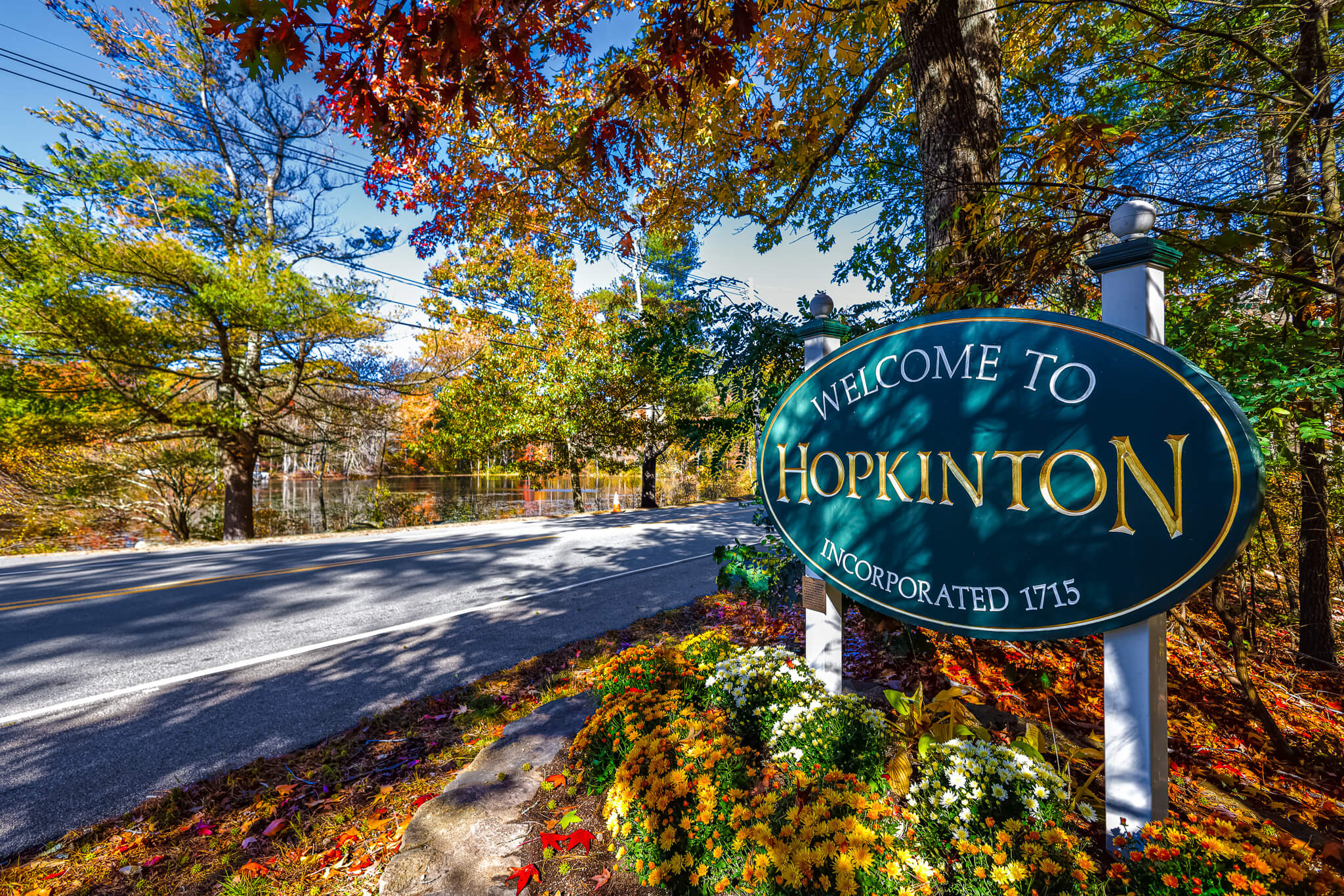
Hopkinton was incorporated in 1715 and named for Edward Hopkins, whose bequest to Harvard paid for the original 12,500 acres. It was a farm town until boot and shoe shops arrived around 1840, and by 1850 it had eleven factories, most of them gone after the fires of 1882. Every April runners from around the world line up on Main Street for the Boston Marathon. Hopkinton still runs on open town meeting, the same form of government it has used since 1715.
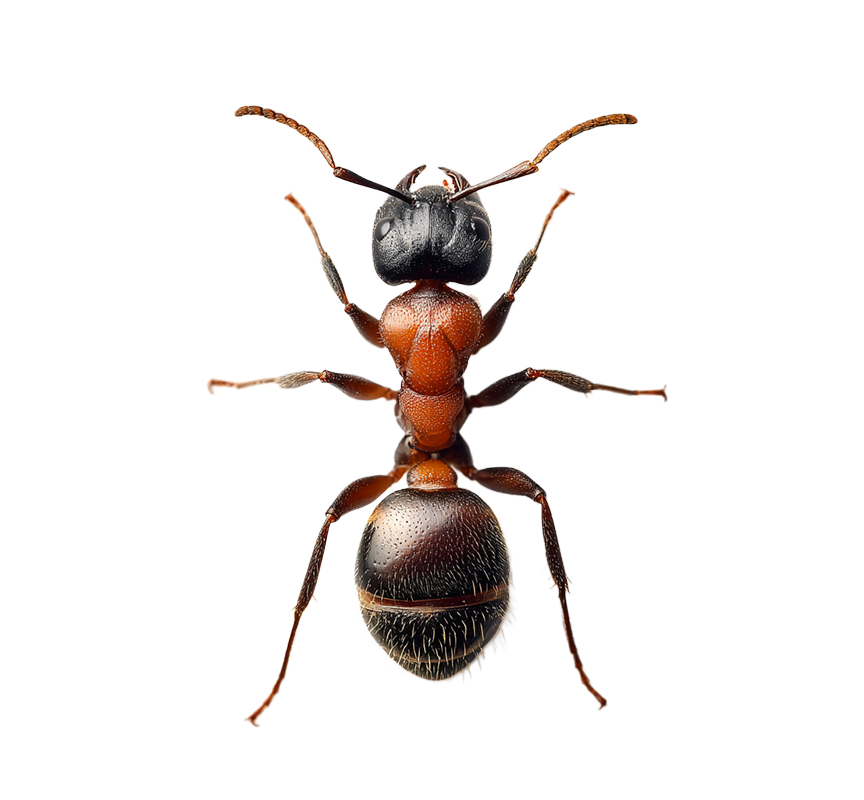
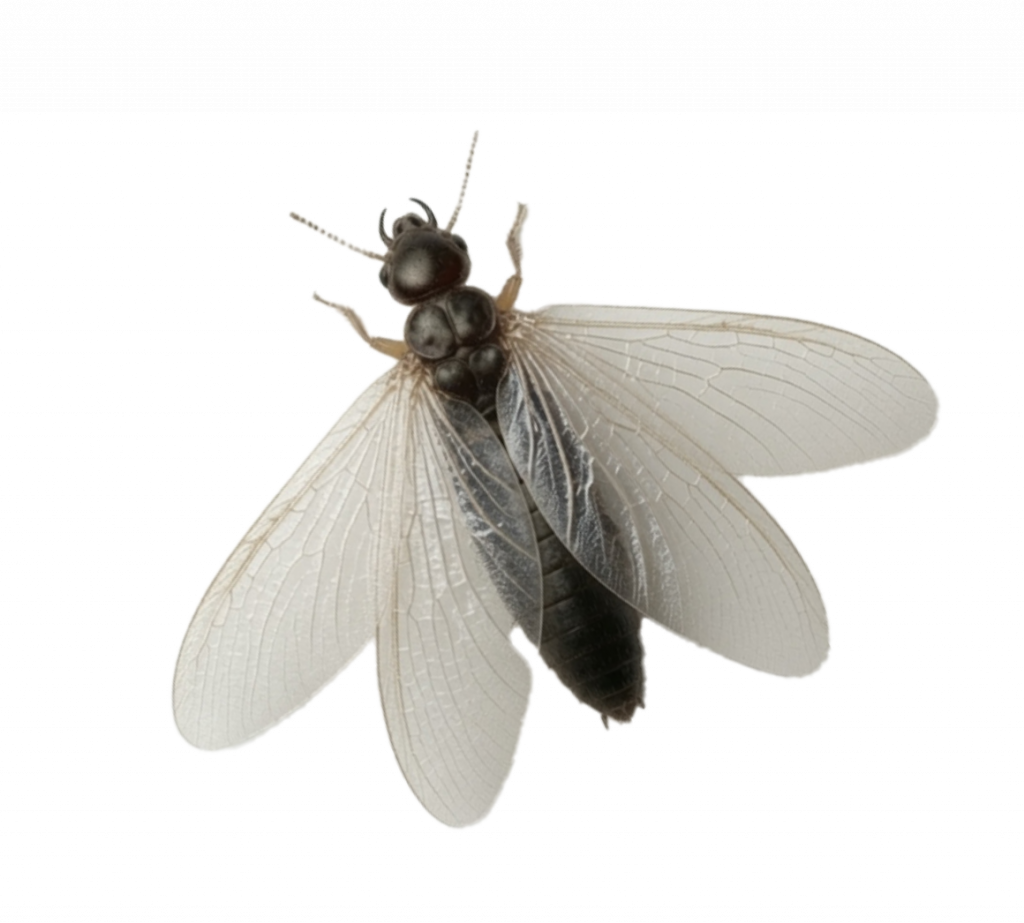
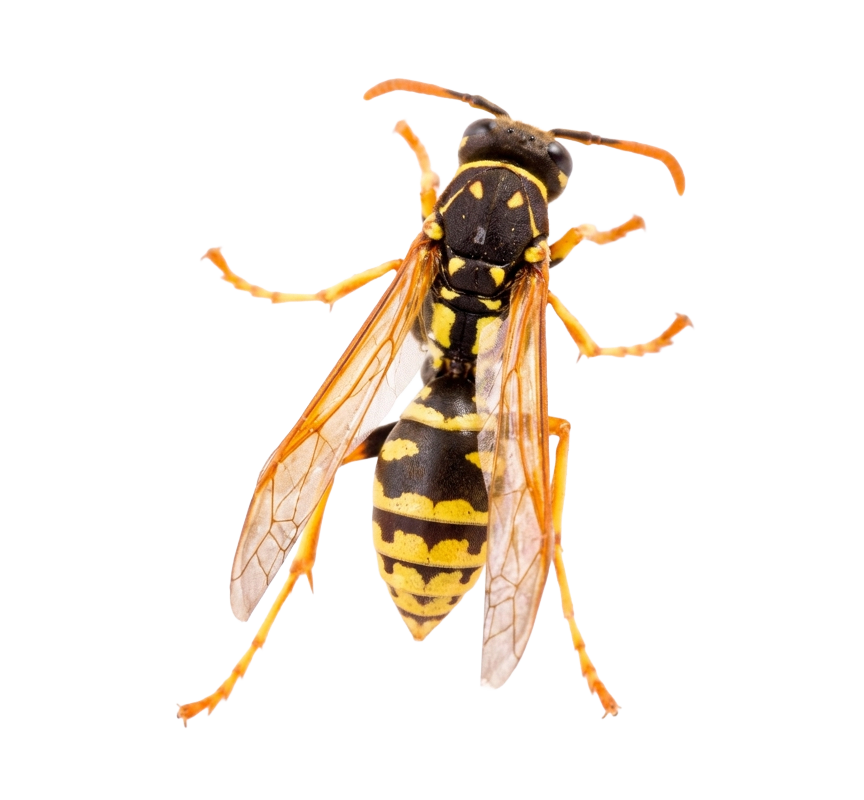
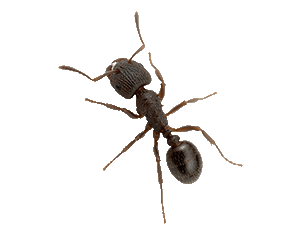
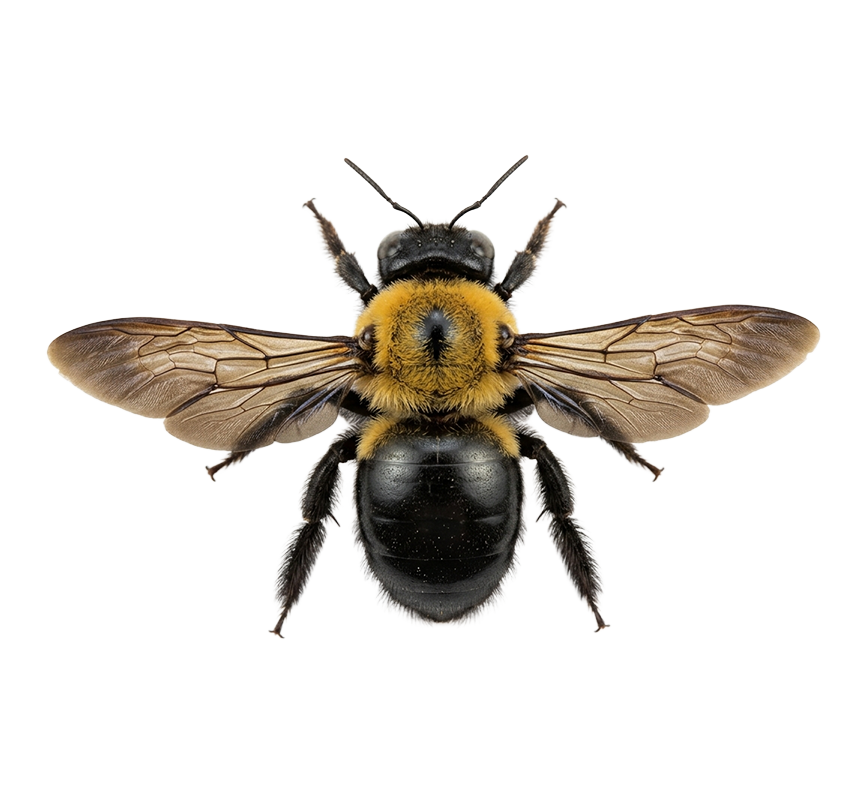
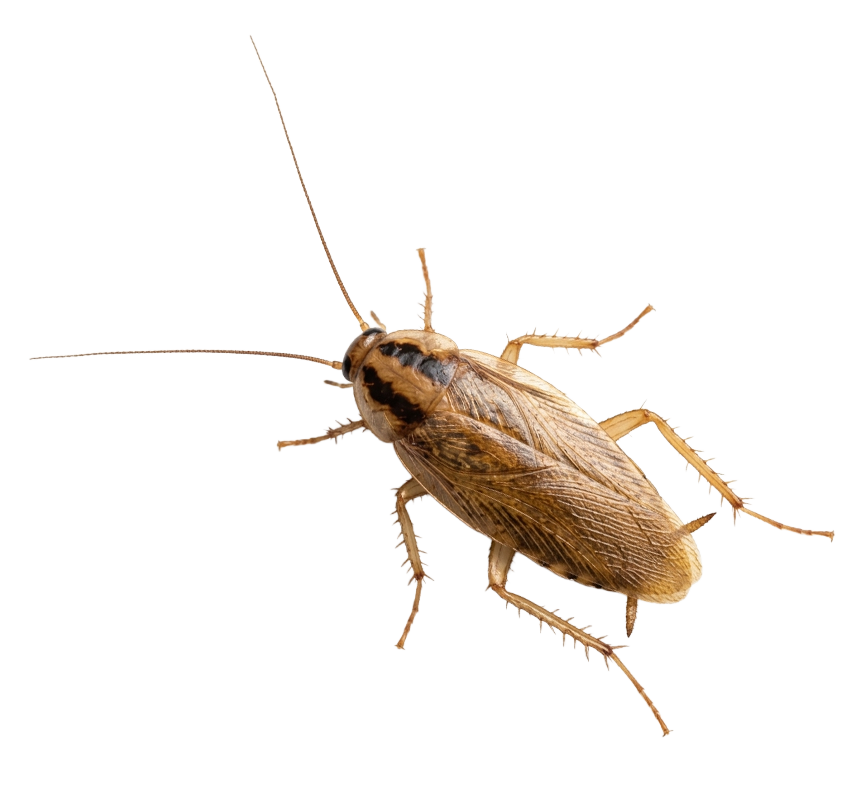
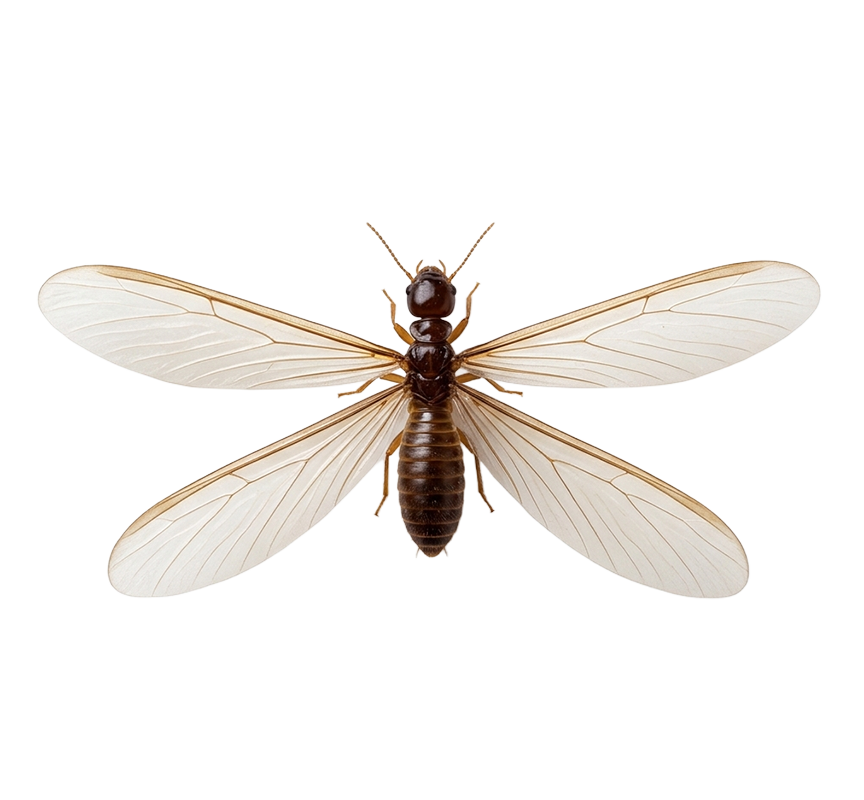
Colonial Pest Control has served Middlesex County since 1984, and the founders still own and run the company. We’ve taken care of hundreds of homes in Hopkinton, from the old mill houses in Woodville and around the Town Common to the newer neighborhoods off Route 85 and Route 135. Colonial Pest Control in Hopkinton ha relieved homeowners of pest issues like mice and rats, yellow jackets and bald-faced hornets, subterranean termites, carpenter ants, and so many more.
Hopkinton’s houses and the land around them
Hopkinton grew from 14,925 residents in 2010 to 18,758 in 2020, the fastest growth of any community in Greater Boston over that decade. Many of the newer houses back up to woods or wetlands, with long foundations, finished basements, and decks that give mice and insects plenty of places to start. The older homes in the center and in Woodville, some of them built as factory worker housing in the 1800s, have their own weak points in aging sills and porches. Hopkinton State Park, Whitehall State Park, and the cedar swamp along the Westborough line keep the ground damp and shaded into summer, which is what ticks, carpenter ants, and termites need.
Local industry is growing alongside the housing. A large data storage company has its headquarters here, the town has a biotech cluster on South Street, and in 2025 the state approved a tax incentive for a bioprocessing company to add 63 jobs in Hopkinton. More people moving in means more yards that meet the woods. Pest control in Hopkinton ma must respect both the environment in the historic town as well as its great people and homes.